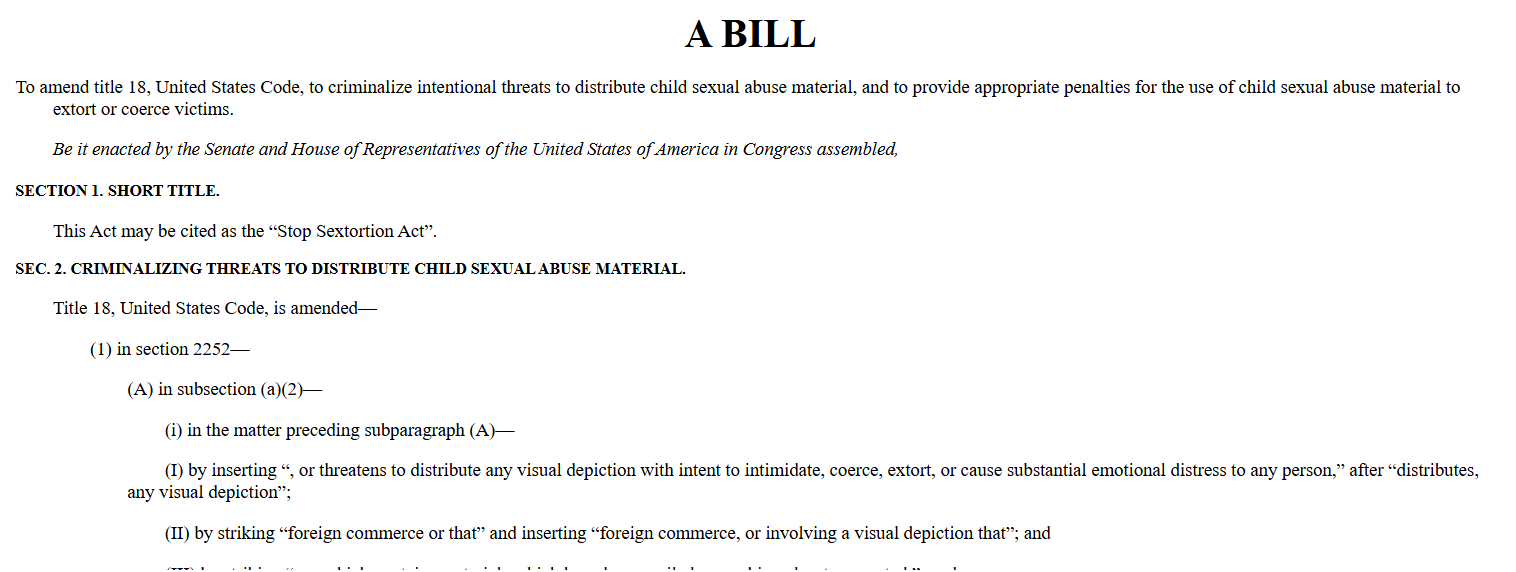
This is a short, repeatable course built like missions. You are not trying to read every word. You are learning how to find the parts that matter and translate them into plain English.
- Title & short title: What is this bill called?
- Purpose or findings: Why do they say it exists?
- Definitions: Which words get special meanings?
- Power sentences: look for
shall,may, andis amended. - Effective dates: when does it start, and for whom?
Tip: completion is local to this browser (saved on your device). Reset is in the right column.
BillPulse sits on top of the official publishing pipeline. Think of it as your HUD: bill cards, status tags, and sentiment charts give you context while you scroll the actual text.
- Open a bill in BillPulse and note the title, sponsor, and current status.
- Click through to the official text from the bill card.
- Run the 5-step pattern above on the official document.
- Come back to BillPulse and log your sentiment: Support, Oppose, or Unsure.
- Check how your district, state, and the nation are trending on the same bill.
The goal isn’t to turn you into a lawyer. The goal is to make it impossible for anyone to say “nobody reads this stuff” with a straight face.
Bills use repeat words on purpose. Use this tool to translate fast, then go back to the bill.
Show the full glossary list (50 terms)
The system quietly publishes a ton of information for free — it just doesn’t advertise it in plain language. These are the sites worth bookmarking:
- GovInfo.gov – official repository for federal documents, including bills and public laws.
- Congress.gov – bill status, summaries, sponsors, and procedural history.
- U.S. Code – the actual codified law that many bills are editing.
BillPulse doesn’t replace these sites. It helps you know when to open them and what to look for when you get there.
Power doesn’t just live in elections — it lives in the sentences most people never read. The more citizens can actually parse those sentences, the harder it is to hide big moves in small print.
Legal literacy isn’t about being angry at government. It’s about being too informed to be easily handled by anyone — party, lobby, or influencer.